Why Does My Dog Sigh? What Those Big Sighs Really Mean
Your dog flops down beside you, and out comes a sigh so long and heavy you half expect them to start telling you about their day. So what is behind those dramatic exhales?
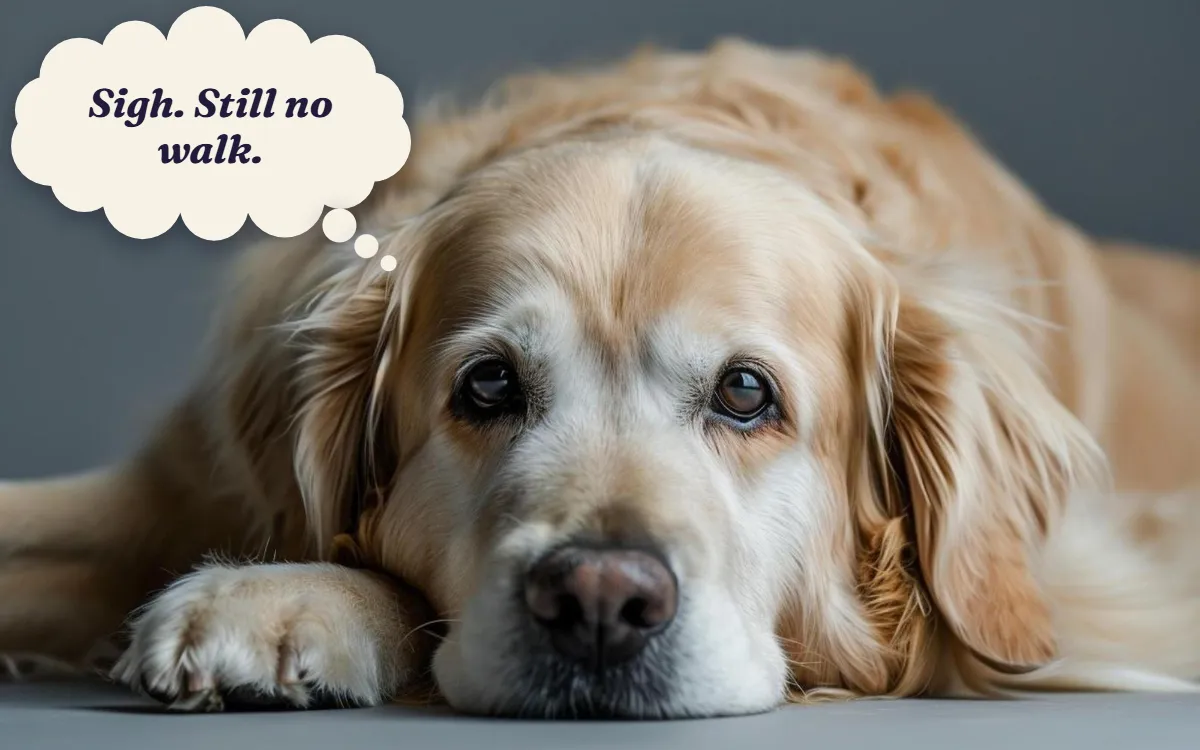
Dogs sigh mostly as a sign of relaxation and contentment. A long sigh as your dog settles down usually means they are comfortable and winding down. Dogs also sigh to express mild disappointment or resignation, such as when a hoped-for walk does not come. Most sighing is completely normal, though frequent sighing with other symptoms is worth a vet check.
Is my dog sighing because they are content?
Most of the time, yes, and it is a lovely thing to hear. The classic contentment sigh comes when a dog settles down to rest. They circle, flop, stretch out, and release a big satisfying exhale as their body relaxes and their muscles let go. It is the canine equivalent of you sinking into a comfy armchair at the end of a long day with an audible ahh.
You can tell it is a happy sigh by the company it keeps. A content sigh comes with a loose, relaxed body, soft half-closed eyes, and a general air of settling in. Your dog is telling you, and themselves, that all is well and it is time to unwind. If your dog sighs as they curl up near you, take it as a quiet compliment about how safe and comfortable they feel in your company. Curious what else is on their mind? You can scan your dog free and find out in about ten seconds.
Do dogs sigh out of disappointment?
They genuinely seem to, and it is one of the more endearingly human things they do. Dogs use sighs as a low-key way of expressing a shift in emotion, and a common one is mild disappointment or resignation. You have probably seen it. You pick up the lead, then put it down again to answer the phone, and your dog gives you a long, pointed sigh as they lie back down. Message received: the walk they were promised has been cruelly delayed.
Behaviour experts have noted that a sigh often marks the moment a dog gives up on something they were hoping for and accepts the situation. It is not deep sadness or sulking in the way we might imagine, more a gentle, resigned, oh well. The context usually makes it obvious: if your dog sighs right after a hoped-for treat, walk or game does not materialise, that is a disappointment sigh, and it is rather charming.
How do I tell a happy sigh from a disappointed one?
The sound alone will not always tell you, so read the whole situation. It comes down to context and body language:
- Content sigh: happens as your dog settles to rest, with a relaxed, loose body, soft eyes and no obvious frustration. They are comfortable and winding down.
- Disappointed sigh: happens right after an expectation is not met, such as a walk delayed or attention withdrawn. It often comes with a reluctant flop back down and maybe a lingering hopeful glance.
- Attention-seeking sigh: some clever dogs learn that a big theatrical sigh gets a reaction from us, so they use it to say notice me. If your dog sighs while looking straight at you, they may be angling for a bit of fuss.
Once you start paying attention, you will find you can read your dog's sighs quite accurately, because they almost always come with a whole set of other signals that fill in the meaning.
Why does my dog sigh when I stroke them?
This is one of the most reassuring sighs of all. When your dog is being gently stroked or cuddled and lets out a soft sigh, it usually means they are deeply relaxed and enjoying the contact. The touch has helped them release tension, and the sigh is the physical sign of that letting-go. It is closely tied to the calm, bonded feeling that gentle handling creates in a trusting dog.
So if your dog sighs contentedly under your hand, you are doing everything right. They feel safe, cared for and happy, and their body is responding by unwinding completely. It is one of the simplest, sweetest bits of feedback a dog can give you.
When is sighing a sign of a problem?
The vast majority of sighing is harmless and even delightful. But because a sigh is really just a particular kind of breath, it is worth knowing when it might point to something that needs a vet. The key is frequency and company: an occasional relaxed sigh is fine, but frequent sighing or groaning alongside other signs is worth taking seriously. Book a vet check if the sighing comes with any of these:
- Lethargy, low mood or a general sense that your dog is off
- Laboured or effortful breathing, coughing or wheezing
- Restlessness, an inability to get comfortable, or reluctance to lie down
- Groaning when lying down or getting up, which can signal pain or arthritis
- A swollen or tense belly, retching, or loss of appetite
Older dogs and flat-faced breeds such as Bulldogs, Pugs and French Bulldogs deserve a little extra attention here, as they can be more prone to breathing and joint issues. Frequent groaning in a senior dog, in particular, can be a quiet sign of discomfort rather than contentment. Trust your knowledge of your own dog. If the sighing feels different from their usual happy exhales, or the whole picture seems off, a quick vet visit is always the sensible call. For the everyday contented sigh, though, just enjoy it, and if you want to know what your dog is really feeling, scan your dog free and see.
Frequently asked questions
Why does my dog sigh so much?
Most dog sighing is a normal sign of relaxation and contentment. When a dog settles down, flops over and lets out a long sigh, they are usually signalling that they are comfortable and winding down. Dogs also sigh to express mild disappointment or resignation, such as when a hoped-for walk does not happen.
Is a dog sighing a good or bad sign?
Usually a good one. A sigh paired with a relaxed body, soft eyes and settling down is a sign of a calm, content dog. It only becomes a concern if sighing is frequent and comes with other symptoms like lethargy, laboured breathing, coughing, restlessness or a loss of appetite, which are worth a vet check.
Does my dog sigh because they are sad or disappointed?
Sometimes, in a mild way. Dogs often give a resigned sigh when something they wanted does not happen, like a walk being delayed or a treat not appearing. It is a low-key emotional signal rather than deep sadness. The context and their body language tell you which kind of sigh it is.
When should I worry about my dog sighing?
See a vet if sighing turns into frequent groaning or seems like effort to breathe, or if it comes with lethargy, coughing, restlessness, a swollen belly, reluctance to lie down, or loss of appetite. These can signal pain or a breathing or heart problem, especially in older or flat-faced breeds.
Stop guessing. Find out what your pet is really thinking.
Our free AI Pet Mind Reader reads their face and tells you what is going on in there - in about 10 seconds, no sign-up.
Scan my pet free